
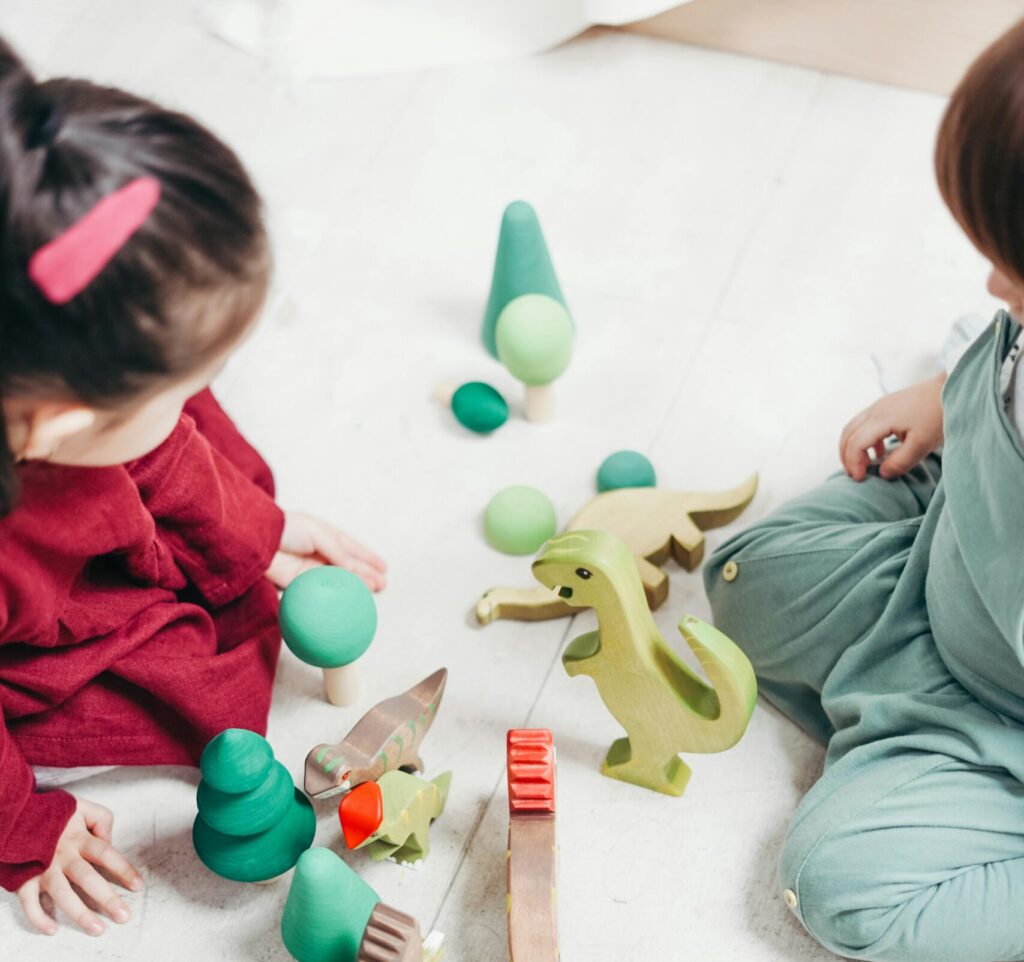
Sensory play for twin toddlers sounds wonderful in theory. In practice, it can feel like a recipe for chaos when you’re doing it with twins. One throws the rice across the room while the other tries to eat the kinetic sand, and you’re standing there wondering why you thought this was a good idea in the first place. Sensory play with one toddler is messy; sensory play with two toddlers who share DNA, energy levels, and a talent for amplifying each other’s behaviour can feel like a full‑contact sport.
But sensory play is genuinely valuable for toddlers — especially twin toddlers. It builds fine motor skills, supports brain development, encourages independent exploration, and — when set up right — can actually occupy two toddlers at the same time without you needing to hover every second. Sensory activities give toddlers a safe way to explore textures, temperatures, sounds, and movement. They learn how things feel, how things move, how things change when they’re squeezed, poured, shaken, or pressed. And for twins, who often spend their days competing for space, toys, or your attention, sensory play offers something rare: a chance to explore side‑by‑side without needing to share or cooperate.
It also helps with emotional regulation. Toddlers often calm down when they’re scooping, pouring, squishing, or pressing. The repetitive motions give their nervous systems something predictable to focus on. For twins — who live in a louder, busier, more stimulating environment simply because they exist together — sensory play can be a grounding experience that resets the tone of the entire day.
The real secret is choosing activities that match your current tolerance for mess, keeping setups simple, and giving each twin their own materials so they aren’t fighting over the same scoop, bin, or texture. This list is organized from lowest to highest mess level so you can choose what works for your energy, your space, and your mood on any given day.
Why Sensory Play Matters for Toddlers
Between ages one and two, toddlers learn almost entirely through touch, taste, sight, sound, and movement. Sensory play gives them a structured way to explore the world — it builds neural connections, strengthens fine motor skills like pinching, scooping, and pouring, and teaches cause and effect in a hands-on, memorable way.
For twin toddlers specifically, sensory play is especially helpful because:
- each child can engage at their own pace
- they don’t need to cooperate or share to benefit
- they can explore side-by-side without competing
- it gives them parallel play opportunities that feel safe and predictable
Sensory bins also help regulate emotions. The repetitive motions of scooping, pouring, squeezing, and pressing can be calming for toddlers who get overstimulated easily — and that’s often the case in twin households where everything is louder, faster, and more intense.
Low-Mess Sensory Ideas
Mess Level: Almost None
Gel bags: Fill a zip-lock freezer bag with hair gel and a few small objects (buttons, googly eyes, foam shapes). Seal it tightly with duct tape along the edge. Each twin gets their own bag to squish, press, and explore. Nothing comes out, nothing gets on the floor, and toddlers love the cool, slippery texture.
Texture boards: Cut squares of different materials (bubble wrap, velvet, sandpaper, faux fur, smooth tile) and attach them to a piece of cardboard. Let toddlers feel the differences. No cleanup required, and you can reuse the board endlessly.
Sound shakers: Fill small sealed plastic bottles with different materials — rice, water with food colouring, coins, dried pasta. Hot glue the lids shut. Make two identical sets so each twin has the same options. Toddlers love shaking, comparing sounds, and watching the materials move.
Feely box: Cut a hand-sized hole in a shoebox and fill it with 5–6 objects of different textures. Each twin reaches in without looking. Even if they can’t name what they feel, the tactile exploration is the point. This is a great activity for building curiosity and confidence.
Mess Level: Manageable
Dry sensory bins: Fill two bins with dry materials: oats, dried pasta, rice, dried beans, or shredded paper. Add scoops, cups, and small figures. Put down a plastic tablecloth underneath, and cleanup is just a matter of folding it up. Supervise if your twins are still mouthing everything.
Cloud dough: Mix 2 cups of flour with 1/4 cup of baby oil. It holds shapes like kinetic sand but is made of kitchen ingredients. Give each twin their own portion on a tray. It cleans up more easily than it looks and keeps toddlers busy for a surprisingly long time.
Cornstarch and water (oobleck) Mix equal parts in a shallow tray for each twin. It behaves like a liquid when poured but solidifies under pressure. Toddlers are fascinated by this. It does require a bath afterward, but the activity itself can last a long time and is worth the mess.
Mess Level: Go Outside
Mud play: A patch of dirt, some water in a small pitcher, and a few old spoons and cups. This is the original sensory bin. Set up two spots so they aren’t constantly in each other’s way. Mud play is grounding, calming, and endlessly interesting.
Sand play: A small sandbox or two bins of play sand with scoops and moulds. Classic for a reason. Even a 30-minute outdoor session can reset the mood of the whole afternoon.
Paint in a bag: Squirt washable paint inside a large zip-lock bag and seal with duct tape. Tape it to a window or lay it flat on a table. Each twin gets their own. Completely mess-free painting with all the sensory benefits.
For even more ideas, check out 15 Activities for Twin Toddlers (Ages 1–2).
Tips for Sensory Play With Twin Toddlers
Always set up two identical stations. At this age, seeing what the other twin has is more appealing than what they already have. Two identical bins remove most of the conflict.
Use a splat mat, an old shower curtain, or a plastic tablecloth. It makes cleanup dramatically easier and keeps your stress level low.
Introduce one material at a time. If you pile too many textures or tools into a bin, toddlers often get overstimulated and lose interest quickly.
Watch for mouthing. Between 12 and 18 months, especially, everything goes in the mouth. Stick to food-safe sensory materials or closely supervised activities for younger toddlers.
It doesn’t have to last long. Even 15 minutes of sensory play has developmental value. Don’t feel like you need to stretch every activity into an hour.
For older toddlers, check out my Simple Toddler Activity Book (Ages 2–4) as well as my Advanced Toddler Activity Book (Ages 4–6)
Bringing Sensory Play Into Real Twin Life
Sensory play with twin toddlers doesn’t have to mean flour on the ceiling, rice in your shoes, and a cleanup session that makes you question every life choice. When you choose the right activities — the ones that match your twins’ developmental stage and your personal tolerance for chaos — sensory play becomes something entirely different. It becomes a tool. A rhythm. A moment of calm inside the noise.
Start with the lowest‑mess options. Let your twins explore textures, sounds, and movement in ways that feel safe and manageable. As you get more comfortable and as your twins learn the “rules” of sensory play, you can slowly work your way up to the bigger, messier setups. You’ll start to notice patterns: which textures soothe them, which activities keep them focused, which setups lead to cooperation instead of competition.
And here’s the part most twin parents don’t realize until they experience it: sensory play isn’t just about development. It’s about regulation. It’s about giving your toddlers a predictable, hands‑on outlet for all the energy, curiosity, and intensity that comes with being two small humans navigating the world at the same time. When sensory play is done well, it becomes a reset button — for them and for you.
You don’t need perfection. You don’t need elaborate Pinterest setups. You don’t need an hour of uninterrupted play. Even ten or fifteen minutes of focused sensory exploration can shift the tone of your entire afternoon. It can reduce meltdowns, increase cooperation, and give you a moment to breathe while your twins are genuinely engaged.
But the truth is this: sensory play works best when the environment around it works. When your twins have predictable rhythms, clear transitions, and routines that help them feel safe and regulated, sensory activities become easier, calmer, and far more effective. Without that foundation, even the simplest sensory bin can turn into chaos.
That’s exactly why I created the Calm Twin Life System — a step‑by‑step framework that helps twin parents build peaceful, predictable routines that make everyday life smoother. When your twins know what to expect, they’re more cooperative, more regulated, and more able to engage in activities like sensory play without constant conflict or overstimulation.
If you’re ready for sensory play (and daily life) to feel easier, calmer, and more predictable, the Calm Twin Life System will show you how to build that foundation — one simple, doable step at a time.