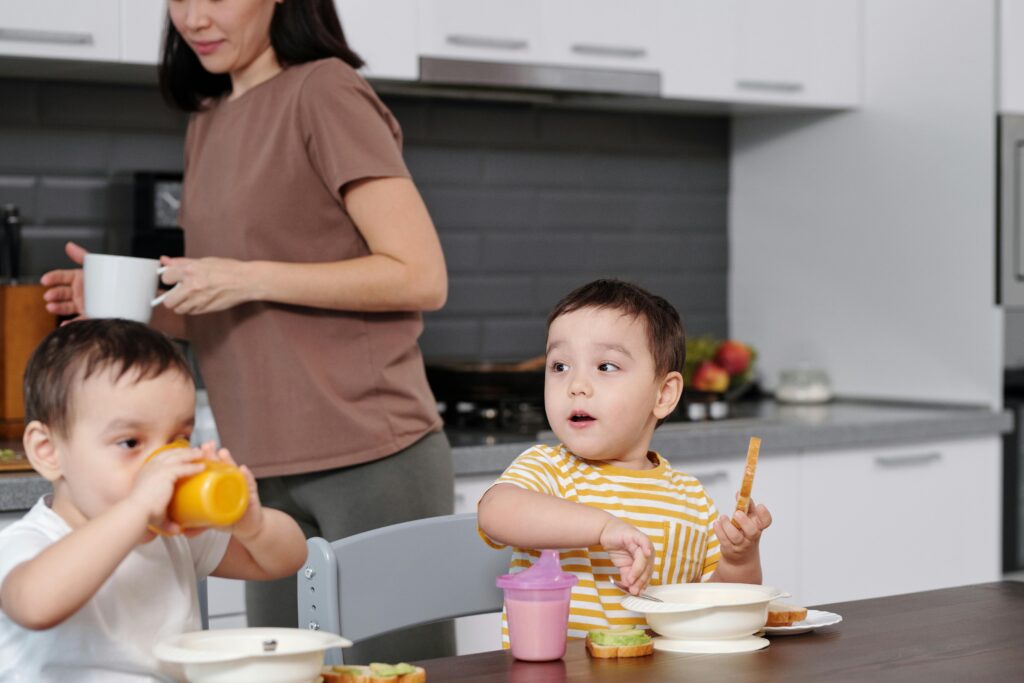
Some days, toddlers refuse everything on their plate. You offer cereal, sandwiches, pasta — nothing works. And when you have twins or multiple little ones, mealtime stress can spiral fast. You’re trying to keep everyone fed, keep the day moving, and avoid a meltdown (yours or theirs), but nothing seems to land. It feels like you’re cooking on repeat, only to watch food get pushed away, thrown, or ignored. It’s the kind of moment that makes you question every feeding decision you’ve ever made, even though deep down you know this is just part of toddlerhood. That’s where quick toddler meals come in — the simple, reliable options that keep your household afloat when everything else feels impossible.
What makes these days especially challenging is how unpredictable they are. One morning, your toddlers inhale a full breakfast, and by lunchtime, they’re acting like you’ve offered them a plate of nails. The same food they loved yesterday becomes the enemy today. And when you’re parenting twins, the intensity doubles. One refuses because they’re tired, the other refuses because they suddenly hate the shape of their toast. You’re stuck in the middle, trying to decode two different sets of needs while also managing your own rising frustration.
The truth is: picky phases are normal. Appetite dips are normal. Random refusal days are normal. Toddlers are still learning how to eat, how to manage hunger cues, and how to handle textures. Their brains are developing rapidly, and their sensory systems are constantly adjusting. A food that feels “okay” one day might feel “too squishy,” “too cold,” or “too unfamiliar” the next. And none of this means you’re doing anything wrong. It simply means your toddlers are human — tiny humans with big feelings and limited communication skills.
You also don’t need elaborate recipes or Pinterest‑worthy meals to get through these phases. In fact, complicated meals often make things worse. Toddlers thrive on familiarity, predictability, and repetition. What helps most is having a small toolkit of quick, reliable meals you can fall back on when your toddlers are in “nope” mode — meals that require minimal prep, minimal cleanup, and minimal emotional energy from you.
These aren’t fancy meals. They’re survival meals — the kind that keep everyone fed with minimal effort and zero guilt. They’re the meals you can assemble with one hand while holding a cranky toddler on your hip. The meals you can serve without worrying about perfect nutrition or perfect presentation. The meals that remind you that feeding toddlers isn’t about perfection; it’s about consistency, calmness, and meeting your kids where they are.
And on the days when everything feels hard, these meals become more than food — they become a lifeline. A way to reset the moment. A way to get through the next hour without tears. A way to remind yourself that you’re doing enough, even when your toddlers refuse everything you offer.
Keep It Simple, Keep It Safe
When toddlers refuse food, your goal is nourishment, not perfection. This is not the moment to introduce complicated recipes or new flavors. It’s the moment to lean into simplicity — foods that feel familiar, predictable, and easy to manage.
Think:
- simple ingredients they already tolerate
- finger foods that are easy to grab
- meals that take under 10 minutes
- familiar textures and colors
- predictable combinations
- foods that don’t overwhelm their senses
Toddlers often refuse food because they’re overstimulated, overtired, or simply not hungry at that moment. Simplicity prevents battles and keeps stress low. Toddlers thrive on familiarity, especially on days when everything feels “off” to them.
If your twins are just starting solids, Introducing Solids to Your Twins has step‑by‑step guidance to help you build a foundation before you reach the toddler stage.
The Power of “Go‑To” Meals
Having a few repeatable options reduces decision fatigue — and that alone can save your sanity. When you’re exhausted, overstimulated, or dealing with two toddlers melting down at once, you don’t want to think. You want something that works.
Reliable go‑tos include:
- cheese cubes, crackers, and fruit slices
- yogurt with soft fruit or granola
- mini quesadillas or simple wraps
- hard‑boiled eggs with soft veggies
- toast with nut butter or cream cheese
- banana slices with yogurt
- pasta with butter or olive oil
- scrambled eggs with a side of fruit
- cottage cheese with berries
- avocado toast cut into strips
- leftover chicken shredded with soft veggies
Rotating a few favorites keeps meals fast, predictable, and generally accepted. Toddlers love repetition — use that to your advantage. A toddler who refuses everything today may happily eat the same meal tomorrow. That’s normal.
Sample “Refusal Day” Meal Ideas
On the days when you can feel the resistance before you even open the fridge, it helps to have a mental menu ready. Think of these as plug‑and‑play options you can reach for without planning.
Breakfast ideas
- Yogurt parfait bowl: plain or vanilla yogurt, soft berries, and a sprinkle of granola or crushed crackers.
- Banana oat pancakes: simple batter with mashed banana and oats, cooked in small toddler‑friendly rounds and frozen for reheats.
- Scrambled eggs and fruit: soft scrambled eggs with sliced strawberries or a banana on the side.
- Peanut butter toast strips: whole‑grain toast with a thin layer of nut butter, cut into easy‑to‑hold strips.
Lunch ideas
- Mini quesadilla: shredded cheese in a small tortilla, lightly toasted and cut into triangles, with cucumber or cherry tomato halves.
- Snack plate lunch: cheese cubes, crackers, fruit slices, and a small portion of hummus or yogurt for dipping.
- Simple pasta bowl: small pasta shapes with butter or olive oil and a sprinkle of parmesan, served with peas or soft carrots.
- Egg muffin bites: baked egg muffins with finely chopped veggies, stored in the fridge or freezer for quick reheats.
Dinner ideas
- Shredded chicken and soft veggies: leftover chicken mixed with cooked carrots, peas, or sweet potato.
- Avocado toast and fruit: mashed avocado on toast, cut into strips, with blueberries or orange slices.
- Veggie tots and yogurt dip: store‑bought or homemade veggie tots with a side of yogurt or ketchup.
- Leftover pancake “dinner”: pancakes cut into strips with a side of fruit and yogurt — yes, breakfast for dinner absolutely counts.
These aren’t perfect plates. They’re realistic plates — and realistic plates are what keep everyone fed on hard days.
Meal Prep Isn’t Just for Busy Parents
You don’t need a full Sunday meal‑prep routine. Even tiny prep steps make a huge difference on chaotic days — especially when you’re juggling twins. Meal prep is key for quick toddler meals.
Try:
- washing and cutting fruits and veggies in advance
- keeping cooked grains or pasta in the fridge
- pre‑portioning snacks into small containers
- keeping a few “emergency” freezer items ready
- storing easy proteins like boiled eggs or shredded chicken
- keeping yogurt pouches or cups stocked
- freezing mini muffins or pancakes for quick reheats
A little prep upfront saves you from scrambling when both toddlers are hungry, cranky, and refusing everything you offer. It also helps you stay calm — and calm energy makes mealtime smoother.
Involve Your Toddlers
Toddlers are far more likely to eat food they helped “make,” even if their version of helping is mostly stirring air or dropping blueberries on the floor.
Try:
- letting them stir yogurt or oatmeal
- offering two choices (“banana or berries?”)
- letting them sprinkle cheese or granola
- using colorful plates or fun shapes
- letting them help assemble simple snacks
- giving them a toddler‑safe knife to cut soft foods
- letting them scoop, pour, or transfer ingredients
A tiny sense of control can dramatically reduce refusals. Toddlers don’t need full autonomy — just a moment where they feel included.
For broader toddler‑survival strategies, see Twin Toddler Routines That Actually Work.
Quick Fixes for When Everything Is Refused
Some days, nothing works — and that’s when you need “rescue meals.” These aren’t gourmet. They’re not nutritionally perfect. But they get the job done.
Try:
- smoothies or yogurt bowls with hidden fruit/veggies
- toast or sandwiches with familiar spreads
- cheese and crackers with a side of fruit
- mini muffins with veggies mixed in
- oatmeal with fruit stirred in
- simple pasta with butter or pesto
- banana slices with peanut butter
- scrambled eggs with toast
- applesauce with graham crackers
- veggie tots or sweet potato fries
- leftover pancakes cut into strips
These meals work because they’re familiar, soft, and easy to eat — perfect for low‑appetite days.
When Refusal Isn’t About Food
Sometimes refusal has nothing to do with the meal itself. Toddlers may refuse food because they’re:
- overtired
- overstimulated
- teething
- constipated
- distracted
- going through a developmental leap
- asserting independence
- recovering from an illness
- simply not hungry
Understanding the “why” behind the refusal helps you respond with patience instead of frustration. Toddlers aren’t trying to make your life harder — they’re navigating big feelings in tiny bodies.
On those days, it’s okay to:
- offer smaller portions
- keep mealtimes shorter
- lean on liquids like milk or smoothies
- accept that appetite will bounce back later
You’re not failing if lunch is mostly yogurt and crackers. You’re responding to the reality in front of you.
Get Your Full List of Quick Toddler Meals
For parents juggling twins, multiple toddlers, or picky eaters, having a ready‑to‑go list of simple meals makes life easier. When you’re exhausted and out of ideas, you want something you can make right now without thinking.
That’s why I created the free guide Quick & Healthy Toddler Meals. It’s packed with recipes and ideas that are:
- fast to prepare
- made with minimal ingredients
- toddler‑approved
- reliable even on “refusal” days
- easy to batch‑prep
- realistic for busy parents
You can print it, stick it on the fridge, or save it on your phone for those “I have no idea what to make” moments.
Focus on Progress, Not Perfection
On tough days, any meal that’s eaten is a win. Consistency matters more than variety, and stress‑free mealtimes matter more than Instagram‑worthy plates. Toddlers go through phases — some long, some short — and your job is simply to keep offering, keep trying, and keep the environment calm.
And here’s the truth most parents need to hear: you don’t need gourmet recipes or perfectly balanced plates to get through a refusal day. You need quick toddler meals — simple, familiar foods that your toddlers will actually eat when everything else feels overwhelming. These are the meals that keep your household moving, keep your toddlers nourished, and keep you from spiraling into frustration or guilt.
Progress doesn’t look like a toddler who suddenly loves every food you serve. Progress looks like one bite today, two bites tomorrow, and a calmer mealtime next week. It looks like you staying steady even when your toddlers are in full “nope” mode. It looks like choosing meals that work in real life, not meals that require 45 minutes of prep and a toddler in a good mood.
With a small toolkit and a few backup options, feeding toddlers — even when they refuse everything — becomes manageable. You don’t need to be perfect. You just need to be steady. You need quick toddler meals you can rely on during the hardest moments.
That’s exactly why I created Quick & Healthy Toddler Meals — a free guide packed with fast, toddler‑approved ideas you can use on the days when nothing else works. These are the meals you reach for when you’re exhausted, overstimulated, out of ideas, or juggling twin meltdowns at the same time. They’re realistic, repeatable, and designed for busy parents who need solutions now, not someday.
If you’re craving easier mealtimes — especially on the days when your toddlers refuse everything — grab your free guide and get a ready‑to‑use list of quick toddler meals that make the hardest days lighter.